
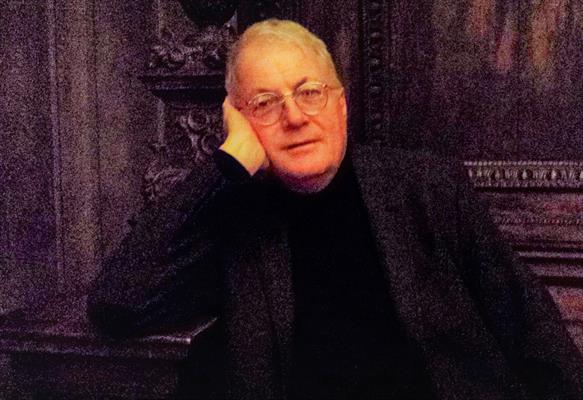
WGBiH convened a roundtable on April 26 with Professor R. Bruce Hitchner (Tufts University) to discuss where Bosnia and Herzegovina stands today and what lies ahead. This conversation builds on WGBiH’s longstanding engagement with the country’s future and its place in Europe and the transatlantic space. It was a meaningful exchange that reflected the strong connection many in the diaspora continue to have with Bosnia and Herzegovina, as well as the shared interest in its future.
We thank Professor Hitchner for his time and perspective, and all participants who joined from across countries and helped shape a thoughtful and engaged conversation.
The discussion centered on geopolitical shifts, EU integration, and the October 2026 general elections.
Four points emerged:
- The assumption that the United States will serve as a reliable backstop for Bosnia’s unity is no longer holding. This changes the frame of engagement.
- The period leading into the October 2026 general elections will shape near-term outcomes. The window for influencing direction is now.
- Bosnia’s trajectory will be determined within European political and institutional frameworks.
- The current moment presents a narrowing window to secure tangible progress in the EU accession process.
Taken together, this marks a shift from reacting to external decisions to defining Bosnia’s position within the European context. Two immediate directions are evident:
- Engagement with European diplomatic representatives in Washington, including the EU Delegation and key member state embassies.
- Contribute to a structured forum that produces focused policy discussions and written outputs on Bosnia’s EU trajectory.
For many in the Bosnian diaspora, Bosnia’s future and direction are not abstract; they are tied to personal history, family, and a country to which many remain connected.
WHERE YOU CAN CONTRIBUTE
This next phase calls for more focused, practical engagement. Several areas for diaspora involvement emerged from the roundtable:
Diplomatic outreach: Connect with the EU Delegation in Washington and key embassies (Germany, France, UK), emphasizing Bosnia’s EU path as a security and stability issue.
Congressional engagement: Engage with U.S. policymakers working on Bosnia, European security, NATO alignment, and Russian influence in the Balkans.
Policy discussions: Support efforts to build a structured Bosnia-focused forum with institutions such as CSIS, the Wilson Center, or USIP.
Diaspora visibility: Use professional and community networks to keep Bosnia’s future visible ahead of the October 2026 elections in relevant professional and institutional settings.
Public narrative: Help shift how Bosnia is discussed — from a crisis to a country whose stability matters to Europe and the United States.
To stay informed, join future roundtables, or collaborate on outreach and discussions, you may contact WGBiH directly. Engagement is welcomed from across professional, academic, business, and community backgrounds.
This roundtable forms part of a continuing series of focused discussions sponsored by WGBiH. The next roundtable is planned for June.
Working Group for Bosnia and Herzegovina (WGBiH) www.wgbih.org
ABOUT OUR SPEAKER
Professor R. Bruce Hitchner is Professor of Classical Studies and International Relations at Tufts University and one of the foremost American experts on Bosnia and Herzegovina, with over 30 years of direct engagement.
He is the founder of the Dayton Peace Accords Project and served on the team that helped produce the 2006 Package of Amendments to the Dayton Constitution.
More information: https://as.tufts.edu/history/
RECOMMENDED READING
Professor Hitchner’s recent article in The National Interest:
“Why U.S. Credibility Is Falling in Bosnia“
https://nationalinterest.org/